What Makes BAC Water So Useful?

BAC water, short for bacteriostatic water, is a widely used solution in medical and clinical environments. While it may seem like simple sterile water at first glance, its unique formulation makes it far more practical and versatile. Whether used by healthcare professionals or individuals managing certain treatments, BAC water plays an important role in ensuring safe and effective medication use.
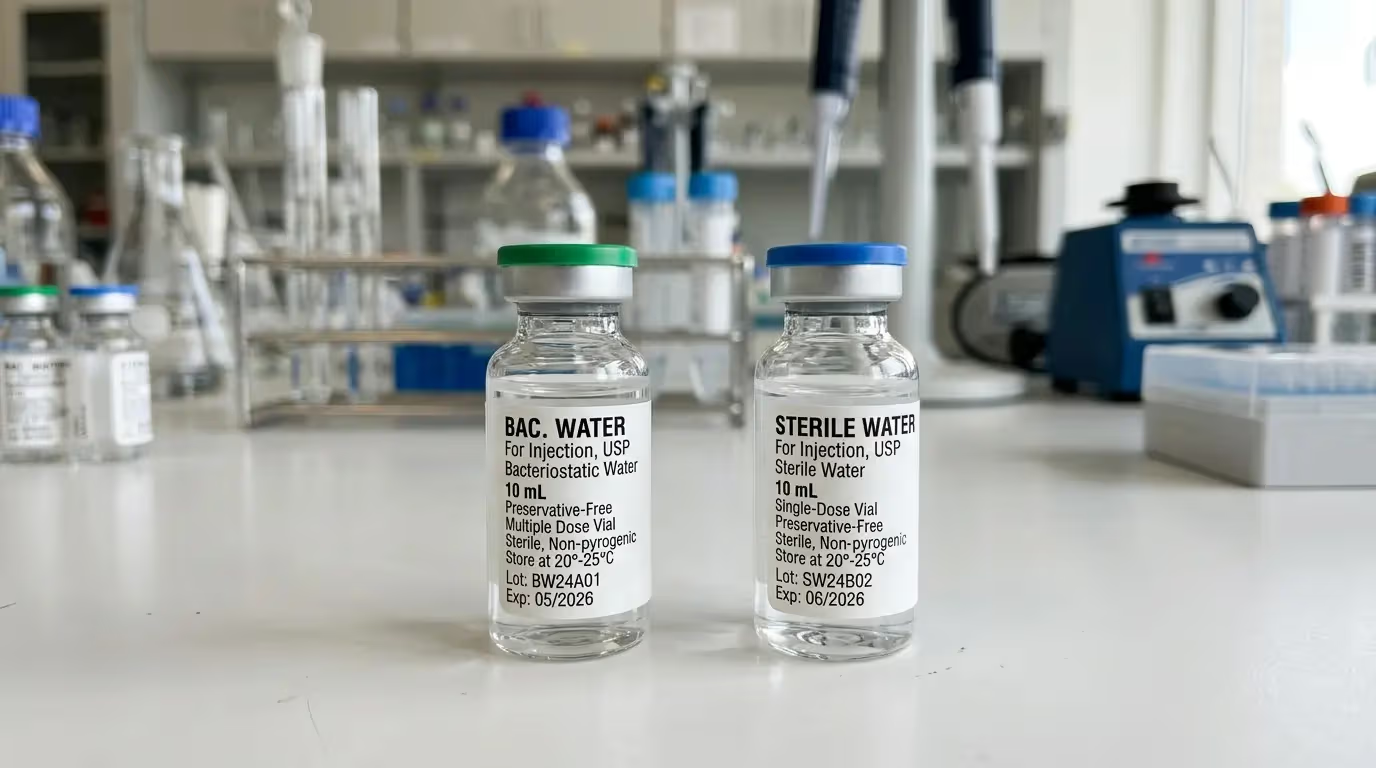
At its core, BAC water is sterile water that contains a small amount of benzyl alcohol, typically around 0.9%. This added ingredient is what gives it bacteriostatic properties. In simple terms, this means it prevents bacteria from growing and multiplying within the solution. Unlike bactericidal agents, which kill bacteria outright, bacteriostatic agents slow down or stop their reproduction, reducing the risk of contamination during proper use.
One of the key advantages of BAC water is its ability to be used multiple times. Regular sterile water for injection is usually intended for single use only. Once opened, it can quickly become contaminated and must be discarded. BAC water, on the other hand, can be safely used for up to 28 days after opening, provided it is handled correctly. This makes it especially useful for treatments that require repeated dosing over time.

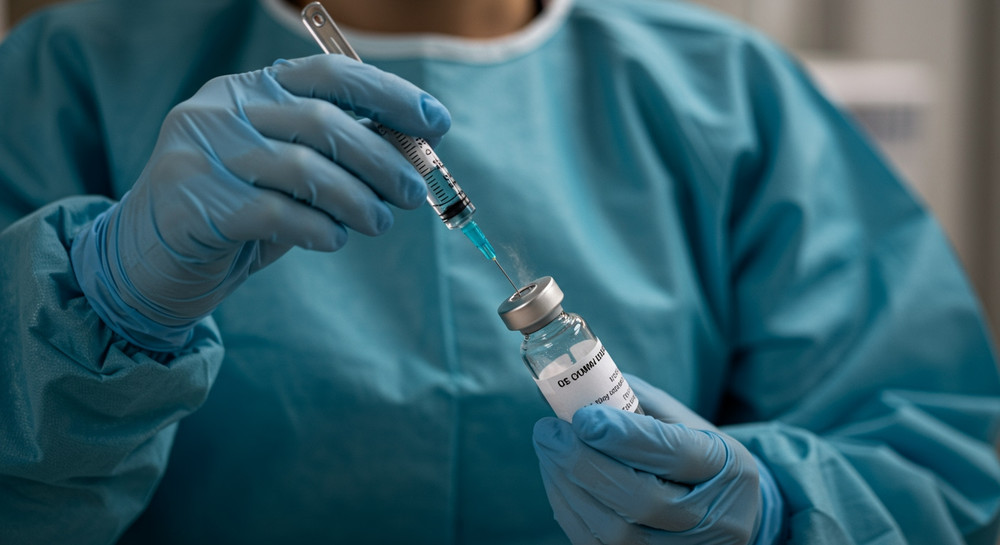
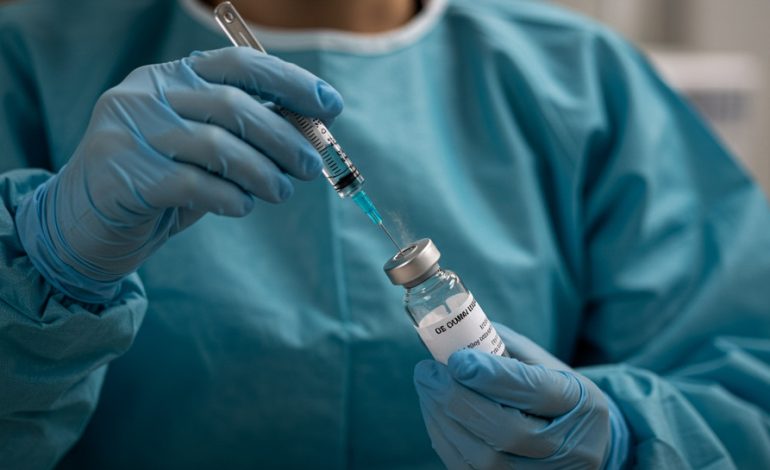
A primary application of BAC water is the reconstitution of medications. Many drugs—especially peptides, hormones, and certain antibiotics—are manufactured in a freeze-dried (lyophilized) form. This process helps preserve the stability and effectiveness of the medication during storage and transport.
Before administration, these medications must be mixed with a liquid to become injectable. BAC water is often the preferred choice because it allows multiple doses to be drawn from the same vial without significantly increasing the risk of bacterial growth.
In addition to reconstitution, BAC water is also commonly used for dilution. In medical settings, precise dosing is critical. Some medications are highly potent and need to be diluted to achieve the correct concentration for safe use. BAC water helps ensure that medications can be accurately measured and administered, which is essential for both effectiveness and patient safety.
Despite its many benefits, BAC water is not suitable for every situation. One important limitation is the presence of benzyl alcohol. While safe for most adults when used appropriately, benzyl alcohol can be harmful to certain populations. For example, it is generally not recommended for use in newborns, especially premature infants. In rare cases, exposure has been associated with serious complications, making it crucial for healthcare providers to choose alternatives when necessary.
Proper handling and storage are essential to maintaining the safety of BAC water. Even though it contains a bacteriostatic agent, it is not completely immune to contamination. Each time the vial is accessed, sterile technique should be used. This includes using clean needles and syringes and avoiding unnecessary contact with the rubber stopper. It’s also recommended to label the vial with the date it was first opened to ensure it is not used beyond the recommended timeframe.
Storage conditions also matter. BAC water should be kept at room temperature and protected from direct sunlight and excessive heat. Exposure to unfavorable conditions can affect the stability of the solution. Additionally, if the liquid appears cloudy, discolored, or contains particles, it should not be used under any circumstances.
It’s important to understand that BAC water is intended specifically for medical use. It should not be used as a general-purpose solution or as a substitute for other types of fluids. Misuse or improper administration can lead to serious health risks, including infection or incorrect dosing of medications. For this reason, it is always best to use BAC water under appropriate guidance, particularly when injections are involved.
Another factor to consider is the growing awareness of BAC water outside traditional healthcare settings. With the rise of self-administered therapies, more individuals are becoming familiar with products like BAC water. While accessibility can be beneficial, it also increases the importance of proper education. Understanding how to use it safely, store it correctly, and recognize its limitations is key to avoiding potential complications.
In conclusion, BAC water is a simple yet highly valuable tool in modern medicine. Its ability to inhibit bacterial growth makes it ideal for multi-dose use, especially when preparing and administering medications. It offers convenience, flexibility, and reliability when used correctly.
However, it also requires careful handling, proper storage, and awareness of its limitations. By understanding these factors, users can ensure that BAC water remains both safe and effective in any setting where it is needed.