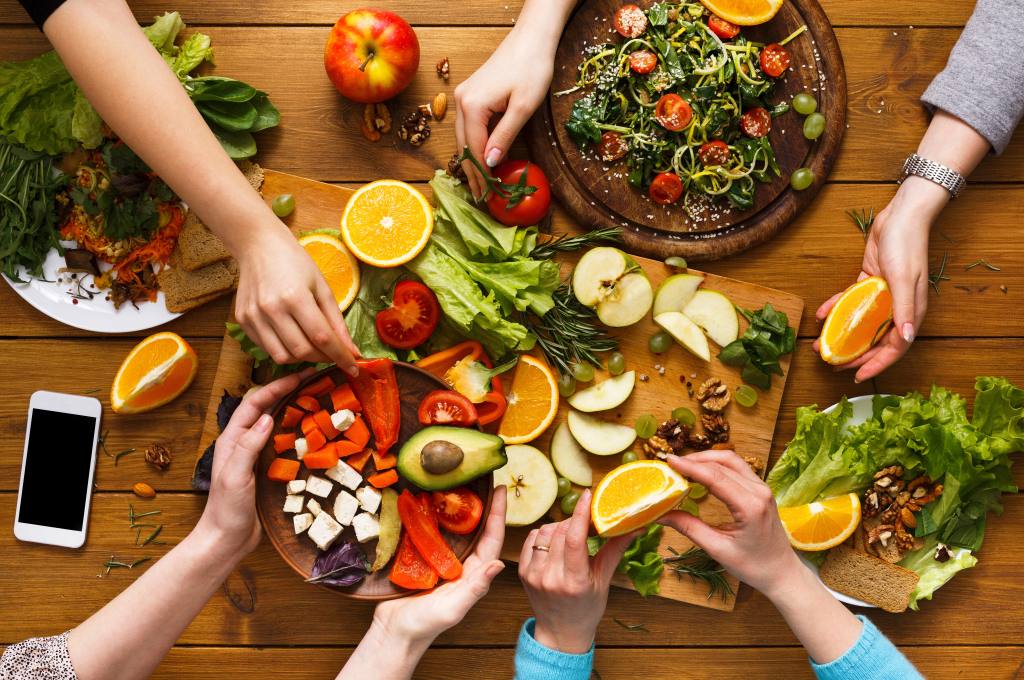
Eating for Fun: Why Food Has Become the World’s Favorite Form of Recreation

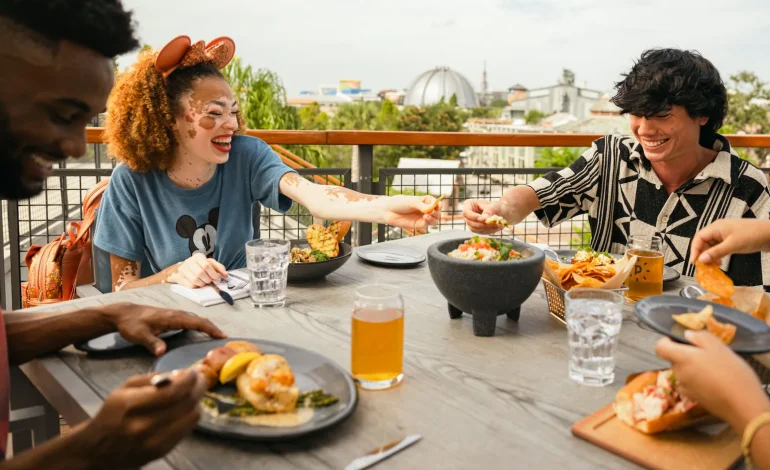
Around the globe, a delicious transformation is happening. Food has shifted from a basic requirement of life into one of the most popular forms of recreation. People explore new restaurants the way they once visited museums, plan vacations around flavors, and turn everyday meals into memorable experiences worth sharing. Food is entertainment, connection, discovery — and above all, joy.
This growing trend reflects how modern lifestyles emphasize experience over routine. Whether in a bustling street food market or in the comfort of one’s kitchen, eating has become an adventure.
Dining Out: A Social Experience That Brings People Together
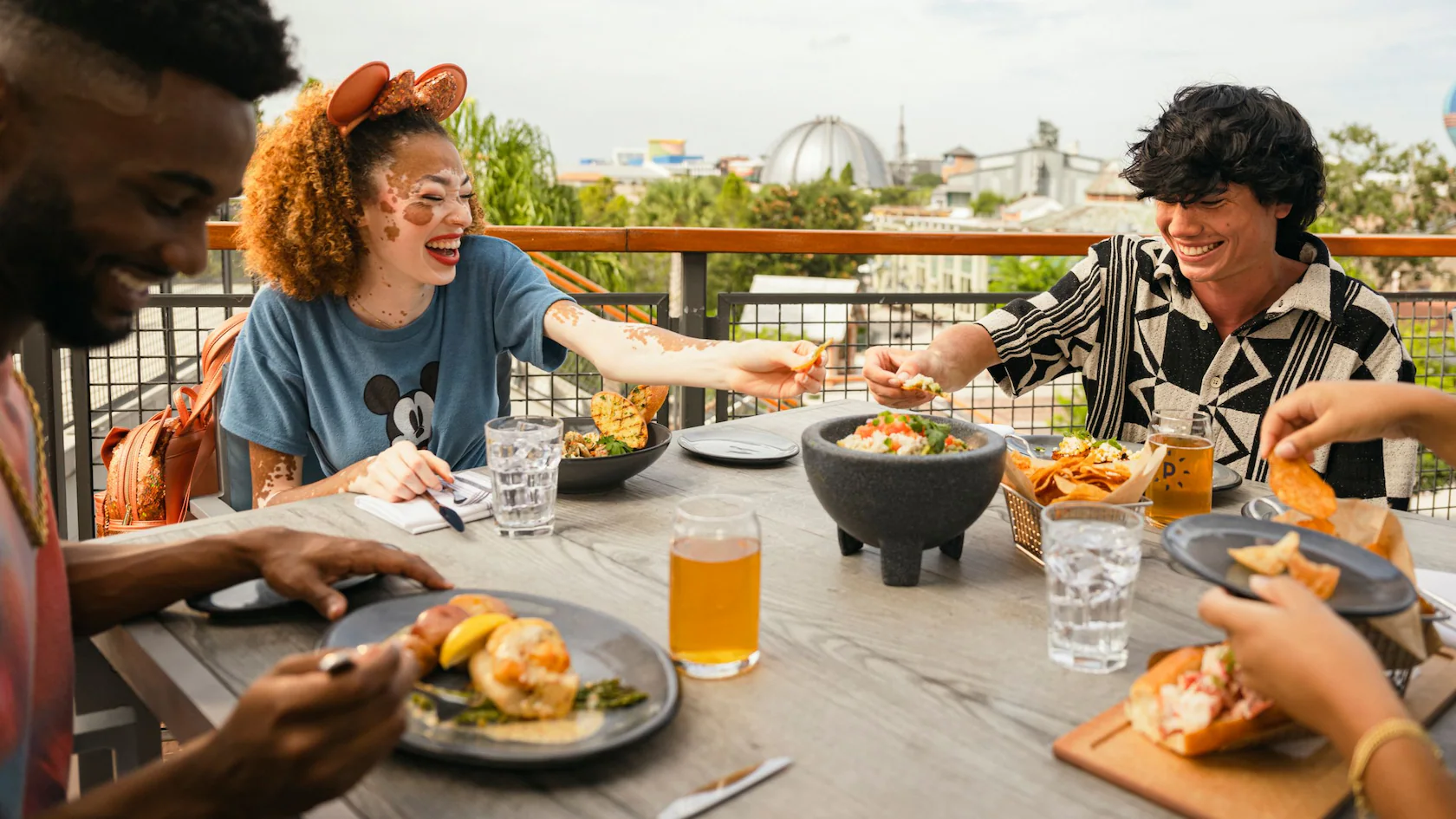
Restaurants are no longer just places to satisfy hunger — they are social hubs where memories are created. People gather to celebrate birthdays, anniversaries, friendships, and even everyday wins. Dining out offers:
-
Exciting new cuisines to try
-
A break from daily routines
-
Atmosphere and décor that enhance mood
-
Opportunities to connect with others
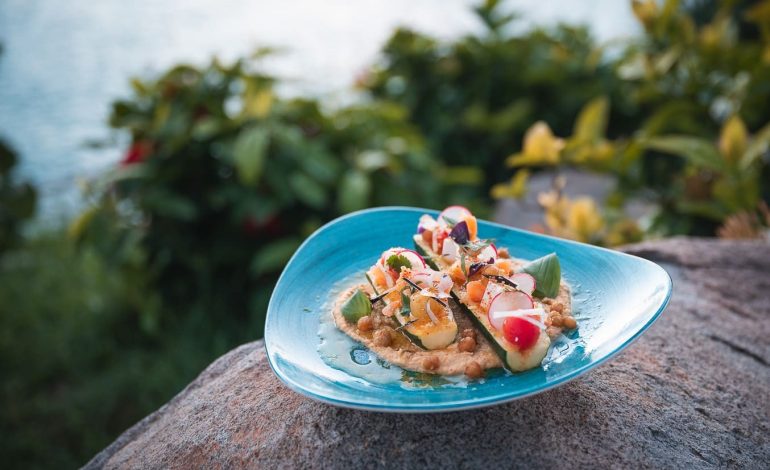
The experience of tasting a new dish, enjoying a beautifully plated meal, or discovering a hidden culinary gem makes dining out a recreational activity all its own. Many now choose restaurants based on storytelling concepts — themed dining, chef’s tasting menus, and fusion food experiences where creativity takes the spotlight.
Food Tourism: The Ultimate Adventure
Travelers today don’t just want to see the world — they want to taste it too. Culinary tourism has become a major driver of global travel. Just consider how many people:
-
Fly across the world for authentic pizza in Naples
-
Search for the best street food in Bangkok
-
Book wine tours in France or Argentina
-
Join seafood festivals on coastal islands
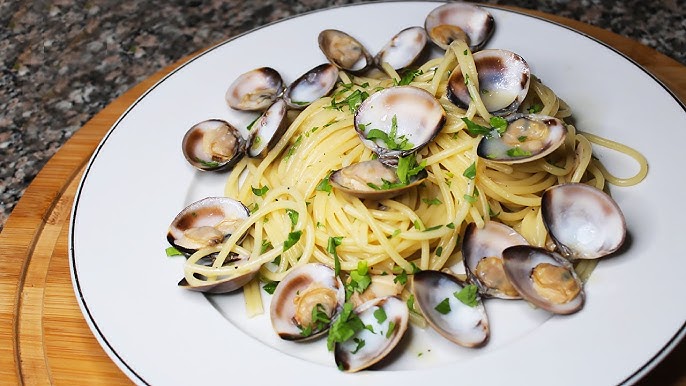
Food is a universal language, revealing cultural identity, history, and tradition. By eating local dishes, travelers feel connected to the places they visit in an authentic, memorable way.
Street Food: Flavors of the Community
For many, street food is the purest form of culinary recreation. It is fast, affordable, and packed with personality. Markets fill with laughter, tempting aromas, and the excitement of trying something unexpected.
Why people love street food:
-
It represents local culture and tradition
-
It offers bold flavors at low cost
-
It’s fun, vibrant, and full of surprises
-
Every vendor has a unique specialty and story
Bánh mì in Vietnam, churros in Spain, jerk chicken in Jamaica — every bite feels like an adventure.
Cooking as Leisure: The Rise of the Home Foodie
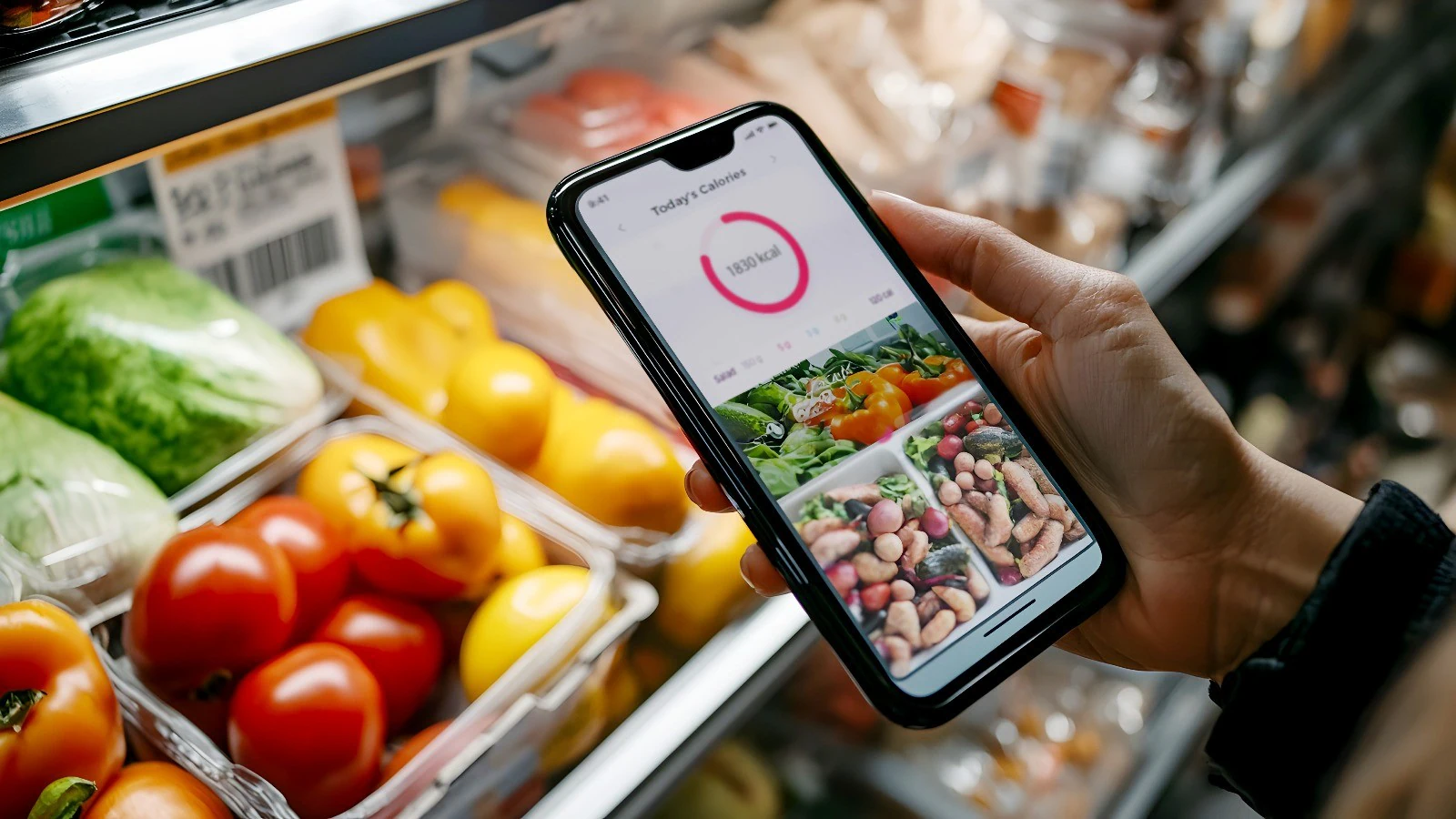
Not all culinary recreation happens outdoors. More people are finding joy in cooking at home, experimenting with recipes, and treating their kitchen like a playground. Reality cooking shows, recipe apps, and online tutorials have inspired a new generation of enthusiastic home chefs.
Benefits of cooking for fun include:
-
Encouraging creativity and imagination
-
Reducing stress through hands-on activity
-
Bringing friends and families together
-
Allowing control over ingredients and health
-
Saving money while exploring global flavors
Home-based food recreation offers endless possibilities — from weekend bake-offs to experimenting with spice blends or learning gourmet cooking techniques.
Farm-to-Table Experiences: Connecting People to Their Food
Many individuals seek food recreation that reconnects them with nature. Farm visits, fruit-picking trips, winery tours, and coastal fishing experiences turn eating into an educational and sensory journey.
Nature-based food activities promote:
-
Awareness of sustainability and ethical sourcing
-
Appreciation for local farmers and producers
-
Discovery of fresh, seasonal ingredients
-
Outdoor fun and relaxation
A sunny day picking apples or learning how cheese is made can be just as thrilling as dining in a high-end restaurant — and often more meaningful.
Food Festivals: A Celebration of Culture and Flavors
Food festivals combine recreation, entertainment, and cultural pride in one lively event. They attract crowds eager to sample diverse dishes, watch chef demos, enjoy live music, and celebrate local heritage.
Popular types of food festivals include:
-
BBQ and grilling competitions
-
Chocolate and dessert fairs
-
Seafood celebrations
-
Beer, wine, and craft drink gatherings
-
Vegan and eco-friendly cuisine expos
These events encourage people to explore new tastes while supporting local food businesses and artisans.
The Social Media Effect: Sharing the Experience
Food and recreation have become inseparable from digital platforms. A beautifully served dish can instantly become a viral moment. TikTok food hacks, Instagram restaurant check-ins, and YouTube travel vlogs inspire millions.
People enjoy:
-
Documenting their culinary adventures
-
Finding restaurant recommendations online
-
Trying viral recipes at home
-
Engaging in food challenges and trends
Social media has transformed eating into performance art — where every bite has the potential to become content.
Healthy Recreation: Balancing Indulgence with Wellness
Not all food recreation revolves around indulgence. Many activities combine enjoyment with nourishment and physical well-being:
-
Cooking nutritious meals at home
-
Joining fitness retreats with healthy dining options
-
Exploring plant-based or organic food offerings
-
Participating in community gardening programs
Modern recreation celebrates balance — enjoying treats while promoting a healthy lifestyle.
Opportunities and Challenges Ahead
As the popularity of recreational food rises, new challenges and opportunities emerge:
Challenges:
-
Avoiding overconsumption and food waste
-
Supporting ethical and sustainable food systems
-
Ensuring affordability and accessibility
-
Maintaining cultural respect in fusion cuisine
Opportunities:
-
Growth in food tourism and events
-
New careers in culinary arts and content creation
-
More innovative dining concepts
-
Increased appreciation for global cuisines
By addressing these issues responsibly, the food recreation trend can continue to thrive while supporting the planet and local communities.

Conclusion: The Joy of Eating as Recreation
Food has become central to how we relax, connect, and celebrate life. It is a way to explore new cultures, express creativity, and strengthen relationships. Whether we’re tasting street food abroad, grilling with friends, or trying a new recipe at home, food inspires happiness and curiosity.
As long as humans crave adventure — and delicious flavors — culinary recreation will remain one of the world’s greatest pleasures. So, go ahead and enjoy the journey… one bite at a time.